
DPDP-Aligned Consent, Ready from Day One
Certinal's digital signature solution is fast, safe, and secure, automating your documentation process and allowing real-time tracking for all users.
What’s Putting You at ₹250 Cr Risk?
100+ API Integrations
HIS, EMR, CRM, and staff portals

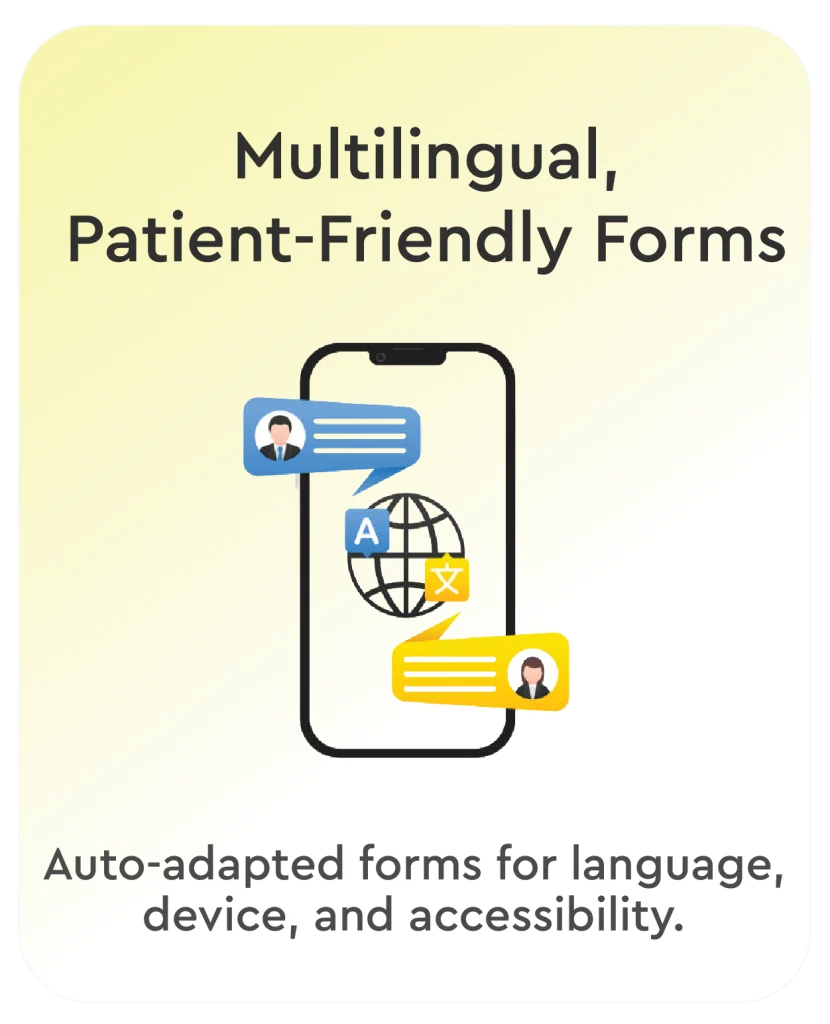
80+ Languages Supported
Patients sign in their own language

Audit-ready, HIPAA-compliant record

40% Quicker Discharges
Intake, consent, and discharge in one flow

3 Flexible Signing Options
In-person, SMS, or email

100% Audit Trail Coverage
Every consent tracked, every signature verified

Device & Language Gaps




Why Choose Certinal for DPDP Compliance?

Compliance, Delivered Straight Out of the Box

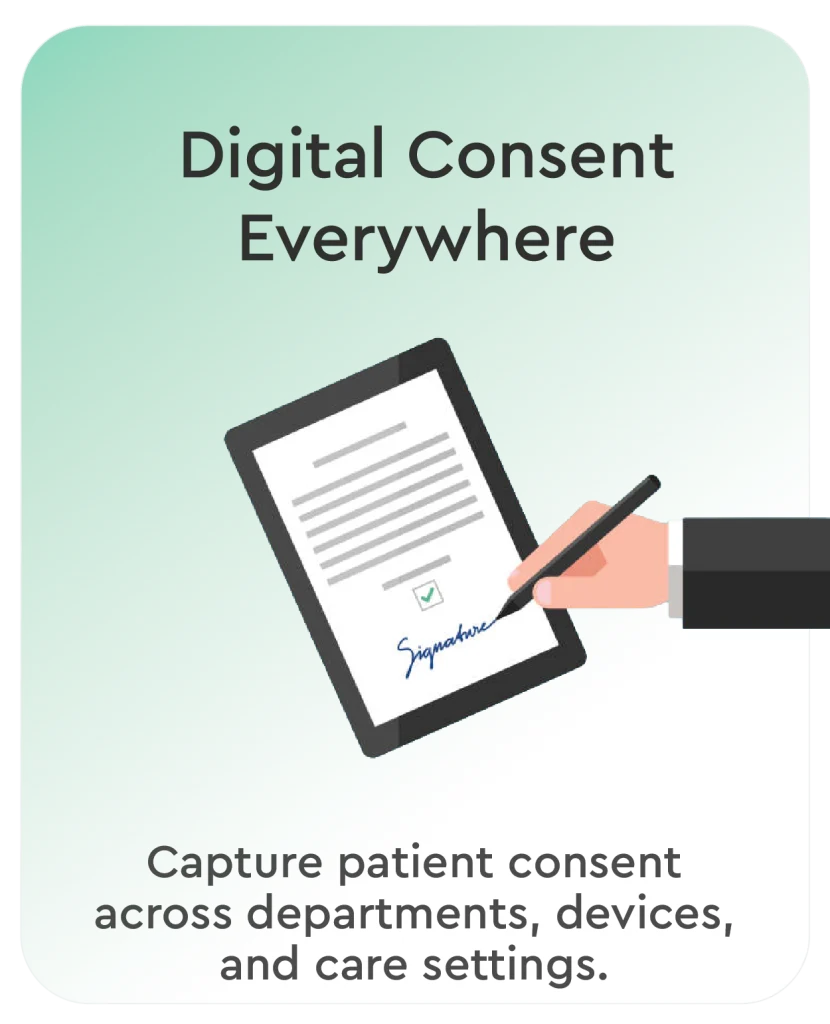
In-person on hospital tab
IPD / OPD / Day Care / ER

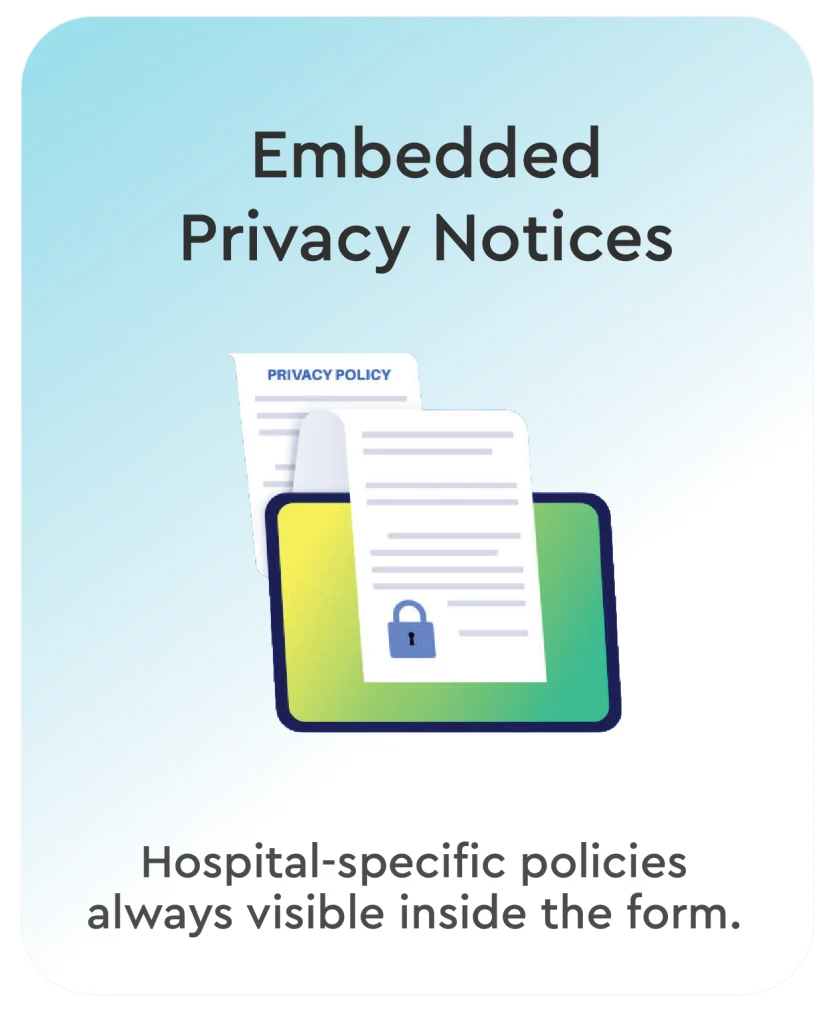
Procedural / Privacy / Surgical / Parental

Staff-assisted & witness-signed

Remote via SMS / email / QR

Seamlessly Integrate eConsent into your Existing Apps











Large Enterprises Worldwide Choose Certinal eSign & eConsent


















Consistently Recognized by Analysts


Trusted by Forward-Thinking Healthcare Leaders
Case Studies from Global Companies Powered by Certinal
Industry-leading security
Protect data and privacy with a 256-bit SSL connection, encryption, data localization, PCI certificat, role-based access, and administrative controls. Service Level Agreements and solutions for GDPR, CCPA, FERPA, HIPPA, and SOC 2 compliance are also available.









Global Scale
The Backbone for Global Agreements
1M+
Documents Signed Monthly
80+
Countries Supported
99.99%
UpTime Gaurantee
30+
Languages Available
2
Patents Granted
11 Patents filled with the USPTO in just 2 years
81.29
NPS Score
Exceptional Customer Satisfaction
Related Searches
1. What is the DPDP Act?
The Digital Personal Data Protection (DPDP) Act, 2023, is India’s law governing the lawful processing of digital personal data, emphasizing individual rights and organizational responsibilities.
2. What organizations does the DPDP Act apply to?
It applies to any organization processing digital personal data within India or targeting individuals in India, regardless of the organization’s location.
3. What is consent under the DPDP Act?
Consent must be free, specific, informed, unconditional, unambiguous, and given through a clear affirmative action.
4. Under the DPDP Act, how many languages other than English must consent and notice be provided?
The DPDP Act requires that consent and notice be made available in English and optionally in any of the 22 languages listed in the Eighth Schedule of the Indian Constitution: Assamese, Bengali, Bodo, Dogri, Gujarati, Hindi, Kannada, Kashmiri, Konkani, Maithili, Malayalam, Manipuri, Marathi, Nepali, Odia, Punjabi, Sanskrit, Santali, Sindhi, Tamil, Telugu, and Urdu.
5. What is the penalty for DPDP violations?
Penalties can go up to ₹250 crore depending on the nature and gravity of the violation.
6. How does the DPDP Act affect patient intake and consent forms?
It mandates that consent be collected through clear, auditable, and multilingual methods—making digital consent solutions critical for healthcare workflows.
7. Can hospitals use third-party tools like Certinal to stay DPDP compliant?
Yes. The DPDP Act allows fiduciaries (like hospitals) to engage processors (like Certinal), as long as roles are clearly defined and compliance is maintained jointly.
8. What kind of data is protected under DPDP in a healthcare setting?
Any digital personal data related to patients, including demographics, medical history, insurance information, and treatment details.