
Certinal eConsent
Certinal's digital signature solution is fast, safe, and secure, automating your documentation process and allowing real-time tracking for all users.
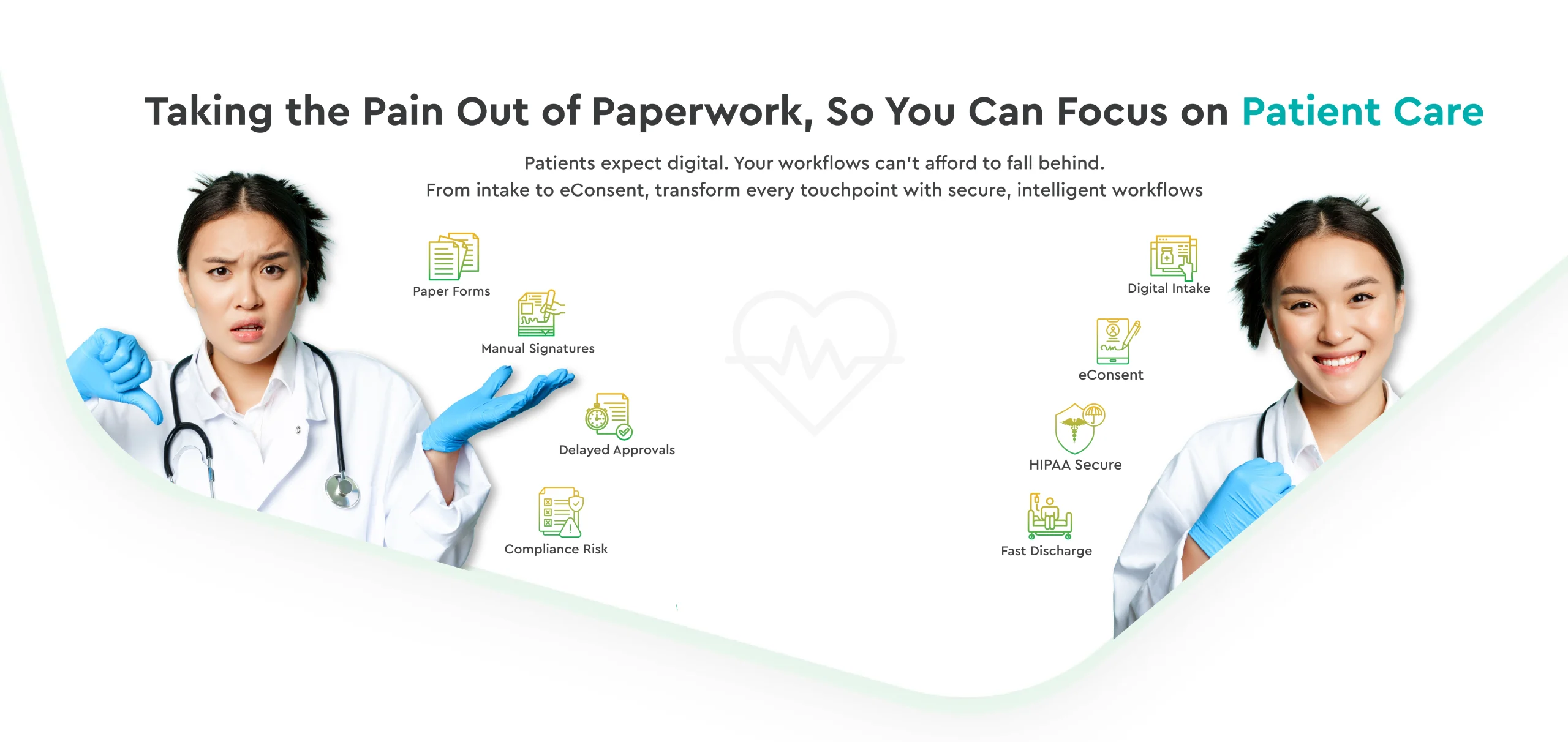
The Digital Front Door for Patient Consent
Unify consent forms, signatures, and compliance in one secure platform, cutting delays, reducing risk, and improving patient trust.

100+ API Integrations
HIS, EMR, CRM, and staff portals

80+ Languages Supported
Patients sign in their own language

60% Faster Retrieval
Audit-ready, HIPAA-compliant record

40% Quicker Discharges
Intake, consent, and discharge in one flow

3 Flexible Signing Options
In-person, SMS, or email

100% Audit Trail Coverage
Every consent tracked, every signature verified
Why Choose Certinal eConsent


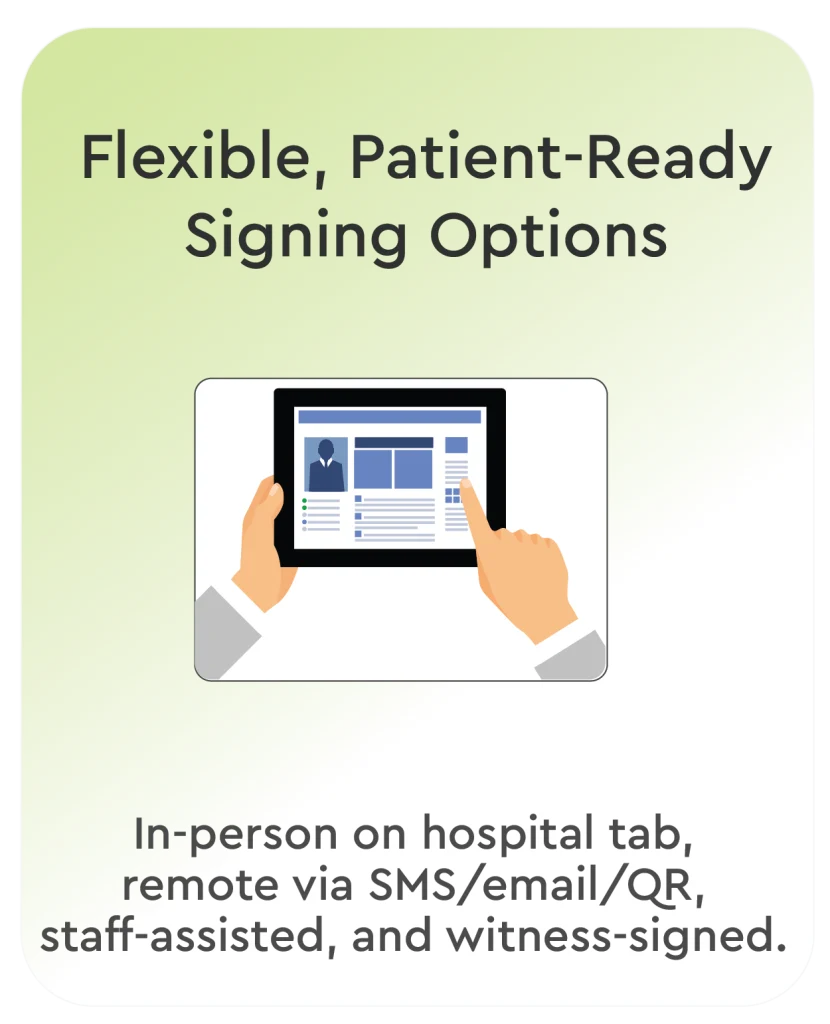
eConsent for Every Scenario

In-person on hospital tab
IPD / OPD / Day Care / ER

Procedural / Privacy / Surgical / Parental

Staff-assisted & witness-signed

Remote via SMS / email / QR

Seamlessly Integrate eConsent into your Existing Apps










Large Enterprises Worldwide Choose Certinal eSign & eConsents


















Consistently Recognized by Analysts
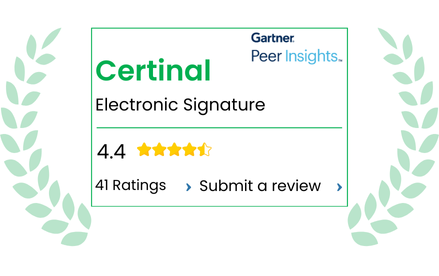
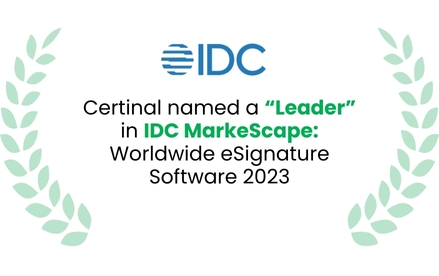
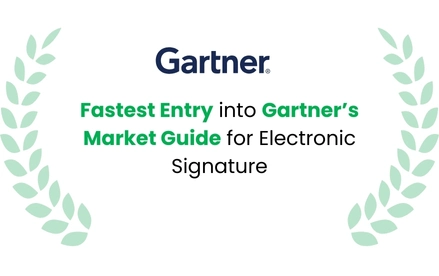

Trusted by Forward-Thinking Healthcare Leaders
Case Studies from Global Companies Powered by Certinal
Industry-leading security
Protect data and privacy with a 256-bit SSL connection, encryption, data localization, PCI certificat, role-based access, and administrative controls. Service Level Agreements and solutions for GDPR, CCPA, FERPA, HIPPA, and SOC 2 compliance are also available.







Global Scale
The Backbone for Global Agreements
1M+
Documents Signed Monthly
80+
Countries Supported
99.99%
UpTime Gaurantee
30+
Languages Available
2
Patents Granted
11 Patents filled with the USPTO in just 2 years
81.29
NPS Score
Exceptional Customer Satisfaction
FAQs
What is a consent form?
A consent form is a document used to capture an individual’s agreement before a procedure, treatment, or data use. It ensures transparency and records authorization for compliance and accountability.
What is informed consent in healthcare?
Informed consent in healthcare means patients receive clear information about treatment, risks, and alternatives before agreeing. It protects patient rights and promotes shared decision-making.
Why is consent important in healthcare?
Consent ensures patients understand and voluntarily agree to care. It upholds autonomy, builds trust, and ensures compliance with medical and legal standards.
What are the four types of consent forms?
The main types are implied consent, explicit consent, informed consent, and written consent. Each serves different contexts in medical, legal, or administrative workflows.
What are the 4 types of informed consent?
The types include implied, expressed, informed, and proxy consent. These cover direct patient decisions, delegated authority, and situations where action signals agreement.
What are the 4 steps of consent?
The steps are: providing information, ensuring understanding, assessing capacity, and obtaining voluntary agreement. Each step safeguards validity and compliance.
What are the 4 criteria for valid consent?
Valid consent requires voluntariness, capacity, adequate information, and comprehension. Without these, consent may not be legally or ethically valid.
How to manage consent forms?
Consent forms should be securely stored, easily retrievable, and regularly updated. Certinal CFMS centralizes management with digital templates, secure storage, and audit-ready
access.
access.
How to manage informed consent?
Managing informed consent involves documenting details, verifying understanding, and maintaining secure records. Certinal CFMS simplifies this with compliant workflows, multilingual
support, and automated tracking
support, and automated tracking
How to implement consent management?
Implementing consent management requires clear policies, secure data handling, and user-friendly processes. Certinal CFMS enables quick deployment with configurable templates,
integrations, and compliance-ready workflows.
integrations, and compliance-ready workflows.